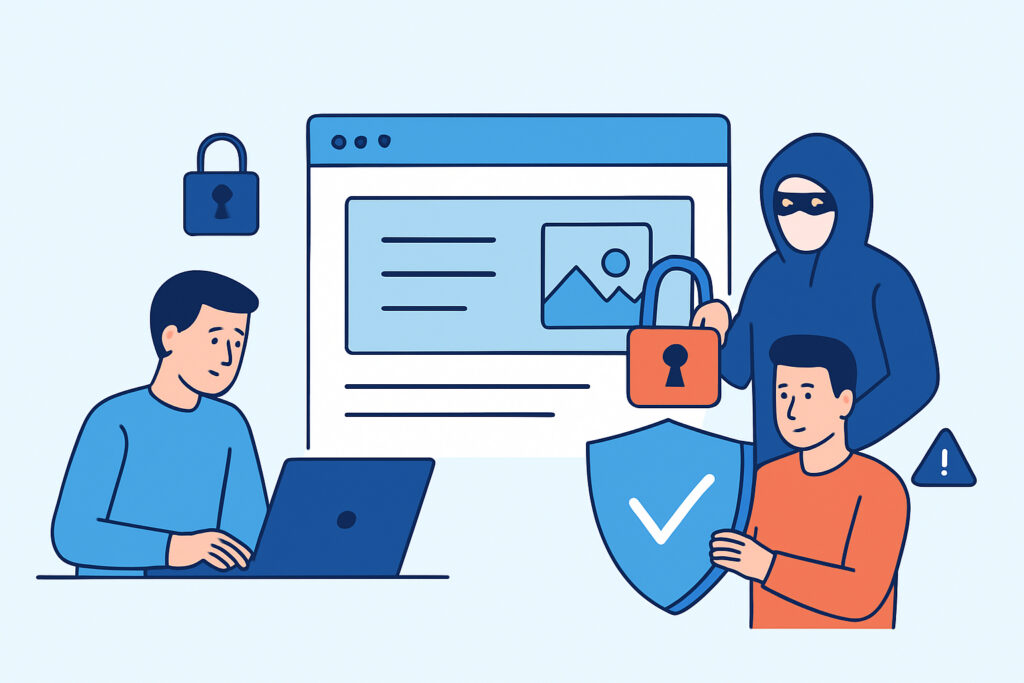
Marketing teams create dozens of landing pages for campaigns, product launches, and seasonal promotions – but protecting marketing landing pages from takeover attacks remains a critical blind spot in most organizations’ security strategies. When these campaign subdomains point to expired services or contain dangling DNS records, they become prime targets for attackers looking to hijack your brand’s trusted domains.
The stakes are particularly high for marketing subdomains because they’re designed to capture customer trust and drive conversions. A successful takeover attack on a landing page can damage your brand reputation, compromise customer data, and give attackers a foothold in your digital infrastructure.
Why Marketing Landing Pages Are Prime Attack Targets
Marketing teams operate at a fast pace, launching campaigns that require quick subdomain setups and teardowns. A typical enterprise might run 50-100 campaigns per year, each requiring dedicated landing pages on subdomains like promo2024.company.com or blackfriday.company.com.
The security risk emerges during the campaign lifecycle. Teams quickly spin up subdomains, configure DNS records to point to third-party hosting services, run the campaign, then move on to the next project. The DNS records often remain active long after the underlying hosting service expires.
Attackers systematically scan for these orphaned DNS records. When they find a subdomain still pointing to an expired service, they can claim that service and serve malicious content from your trusted domain. Customers see your familiar subdomain and assume the content is legitimate.
Common DNS Misconfigurations in Campaign Subdomains
The most dangerous configuration involves CNAME records pointing to expired third-party services. Marketing teams frequently use platforms like Unbounce, Leadpages, or custom AWS S3 buckets for landing pages. When the service expires but the CNAME remains, dangling CNAME records create immediate takeover opportunities.
A records pointing to decommissioned IP addresses present another risk. If your team used a cloud instance for a specific campaign and later terminated it, that IP address might be reassigned to another customer who could potentially serve content from your subdomain.
NS record delegations are particularly dangerous. Some campaigns require delegating DNS control for specific subdomains to agencies or partners. When these relationships end, forgotten NS records can leave entire subdomain trees under external control.
The Attack Timeline: How Takeovers Unfold
Most subdomain takeover attacks follow a predictable pattern. The reconnaissance phase begins within days of a service expiration, as automated tools scan for dangling DNS records across thousands of domains.
Week 1-2: Attackers identify the vulnerable subdomain and verify they can claim the expired service. They register the expired service account or claim the abandoned resource.
Week 3-4: The takeover becomes active. Attackers typically start with minimal changes to avoid detection – perhaps just collecting analytics or testing their access.
Month 2-3: If undetected, attackers escalate their activities. They might serve phishing pages that perfectly mimic your brand, harvest customer credentials, or use the subdomain for malware distribution.
The window for detection is narrow. Once attackers establish control, they can maintain persistence even if you eventually notice and attempt remediation.
Building a Secure Campaign Subdomain Workflow
Prevention starts with establishing clear processes for campaign subdomain management. Every subdomain creation should include documentation of its purpose, the underlying service, and a planned decommission date.
Create a standardized naming convention that includes campaign dates or identifiers. Instead of generic names like “promo.company.com,” use “promo-q3-2024.company.com” to make campaign timelines obvious to future administrators.
Implement a campaign closure checklist that includes DNS cleanup as a mandatory step. Teams should verify that DNS records are removed or updated when campaigns end, not just when the hosting service is cancelled.
Consider using a dedicated subdomain structure for marketing campaigns. Creating all campaign subdomains under a specific branch like “campaigns.company.com” makes it easier to audit and monitor these higher-risk DNS records.
Monitoring and Detection Strategies
Automated DNS monitoring for marketing subdomains provides early warning when configurations become dangerous. Look for monitoring that can detect when DNS records point to services that no longer respond correctly.
Set up alerts for HTTP response codes that indicate potential takeovers. A subdomain that suddenly starts returning 404 errors might indicate the underlying service has been terminated while DNS records remain active.
Monitor for unexpected SSL certificate changes. Attackers often need to establish new SSL certificates when they take over a subdomain, and certificate transparency logs make these changes visible.
Regular subdomain enumeration helps identify campaign subdomains that teams may have forgotten. Automated discovery tools can reveal the full scope of your campaign subdomain footprint.
Emergency Response: When Takeover Attempts Occur
If you detect a potential subdomain takeover, immediate DNS changes are your first line of defense. Remove or modify the problematic DNS record to break the attacker’s control over the subdomain.
Document the incident thoroughly. Note which subdomain was affected, what service it was pointing to, and how long the vulnerability may have existed. This information helps prevent similar incidents and supports any necessary customer communications.
Check for signs of malicious activity during the compromise period. Review web server logs, monitor for phishing reports from customers, and scan for any malware that might have been distributed through the compromised subdomain.
Consider implementing a temporary holding page for recovered subdomains. This prevents re-exploitation and gives you time to properly secure the subdomain before returning it to service.
Breaking the “Set and Forget” Myth
Many teams believe that DNS records are “set and forget” configurations that don’t require ongoing maintenance. This misconception is particularly dangerous for marketing subdomains where the underlying services change frequently.
DNS records require active lifecycle management, especially for temporary campaigns. Every DNS record should have an owner, a purpose, and a review schedule. Campaign DNS records need more frequent reviews than permanent infrastructure.
The idea that DNS changes are too risky for marketing teams to handle also needs correction. While DNS changes should be controlled and documented, marketing teams can safely manage their subdomain DNS with proper processes and monitoring in place.
Frequently Asked Questions
How quickly can attackers take over an abandoned marketing subdomain?
Attackers can claim control within hours of a service expiration if they’re actively monitoring for opportunities. However, most takeovers occur within 2-4 weeks as automated scanning tools discover the vulnerability and attackers verify they can exploit it.
Will customers notice if our marketing subdomain gets taken over?
Initially, customers may not notice if attackers serve content that mimics your brand. However, takeover attacks often escalate to obvious malicious activity like phishing forms or malware downloads, which will quickly generate customer complaints and damage your reputation.
Can we prevent takeovers by using our own hosting instead of third-party services?
Using your own hosting reduces some risks but doesn’t eliminate them entirely. If you terminate cloud instances or change hosting configurations without updating DNS records, you can still create takeover opportunities. The key is maintaining accurate DNS records regardless of your hosting approach.
Securing Your Marketing Campaign Infrastructure
Protecting marketing landing pages from takeover attacks requires treating DNS as a dynamic security asset rather than static infrastructure. Regular monitoring, clear processes, and automated detection provide the foundation for secure campaign operations.
The investment in proper subdomain security pays dividends beyond just preventing attacks. It also improves campaign reliability, reduces technical debt, and builds trust with customers who expect your marketing communications to be consistently secure and professional.