NXDOMAIN Flood Attacks Against Resolver Capacity
An NXDOMAIN flood – sometimes called a “water torture” attack or random subdomain attack – throws millions …
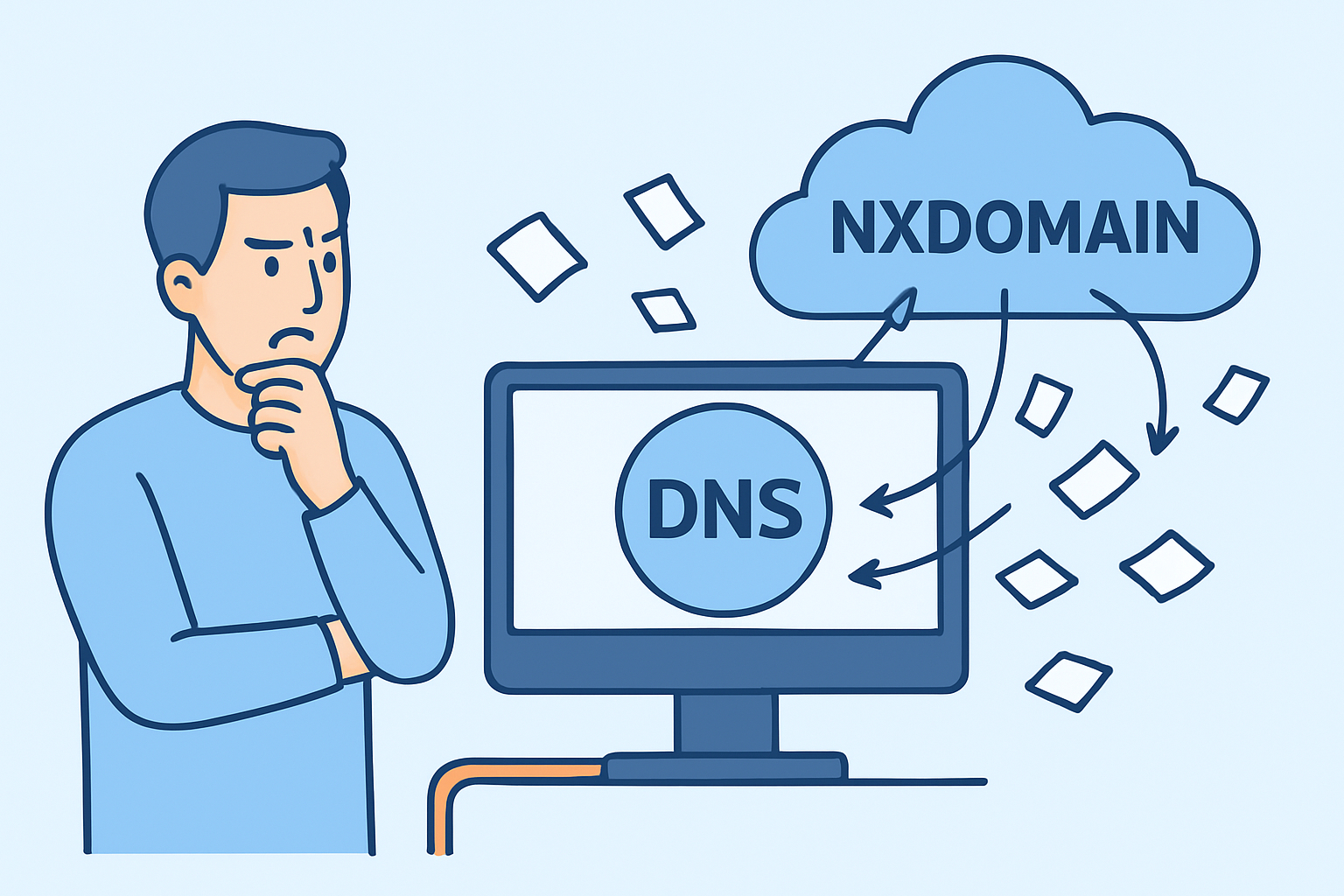
An NXDOMAIN flood – sometimes called a “water torture” attack or random subdomain attack – throws millions …

Organizations that have DKIM set up correctly often treat it as a one-time task – configure the …
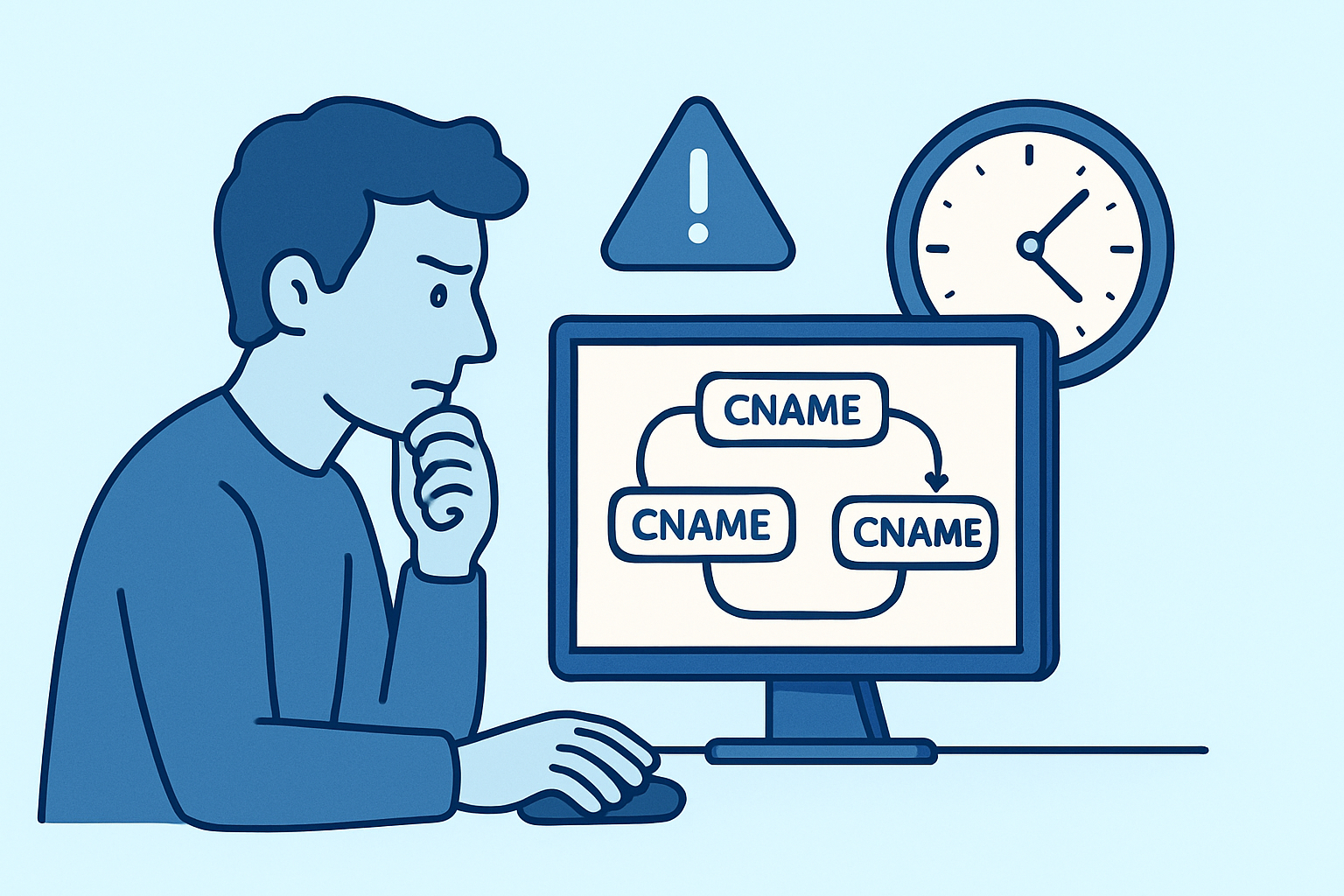
A stale marketing redirect from three DNS providers ago is still live, pointing a landing-page subdomain through …
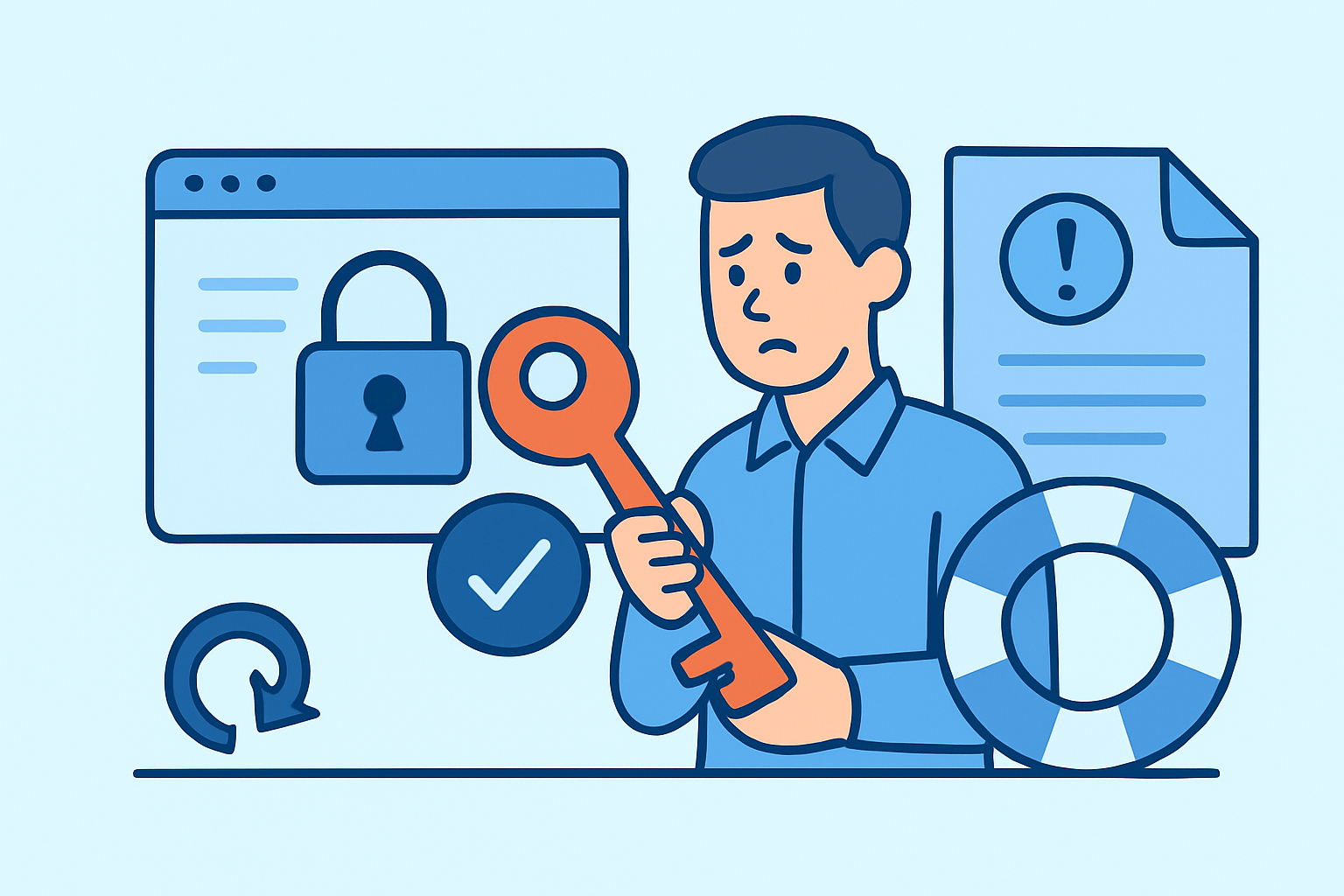
Registrar lock is the single setting that stands between a stolen domain and a routine Tuesday, yet …

Setting an alert threshold too tight buries a security team in noise; set it too loose and …

Renewal season sneaks up fast when a domain portfolio has grown past a dozen names, and the …
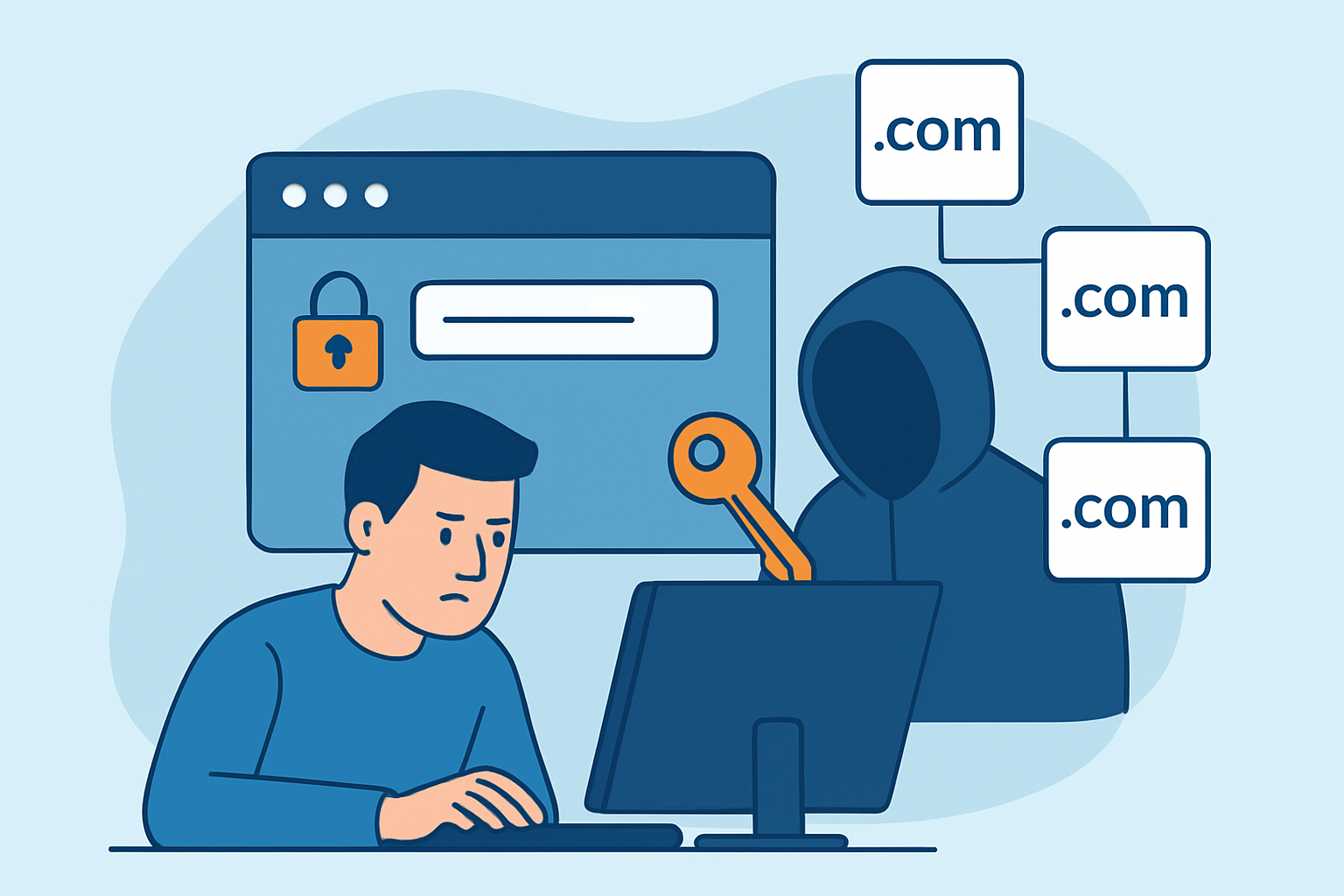
Registrar credentials get phished, reused across breached password dumps, or left without two-factor authentication turned on – …
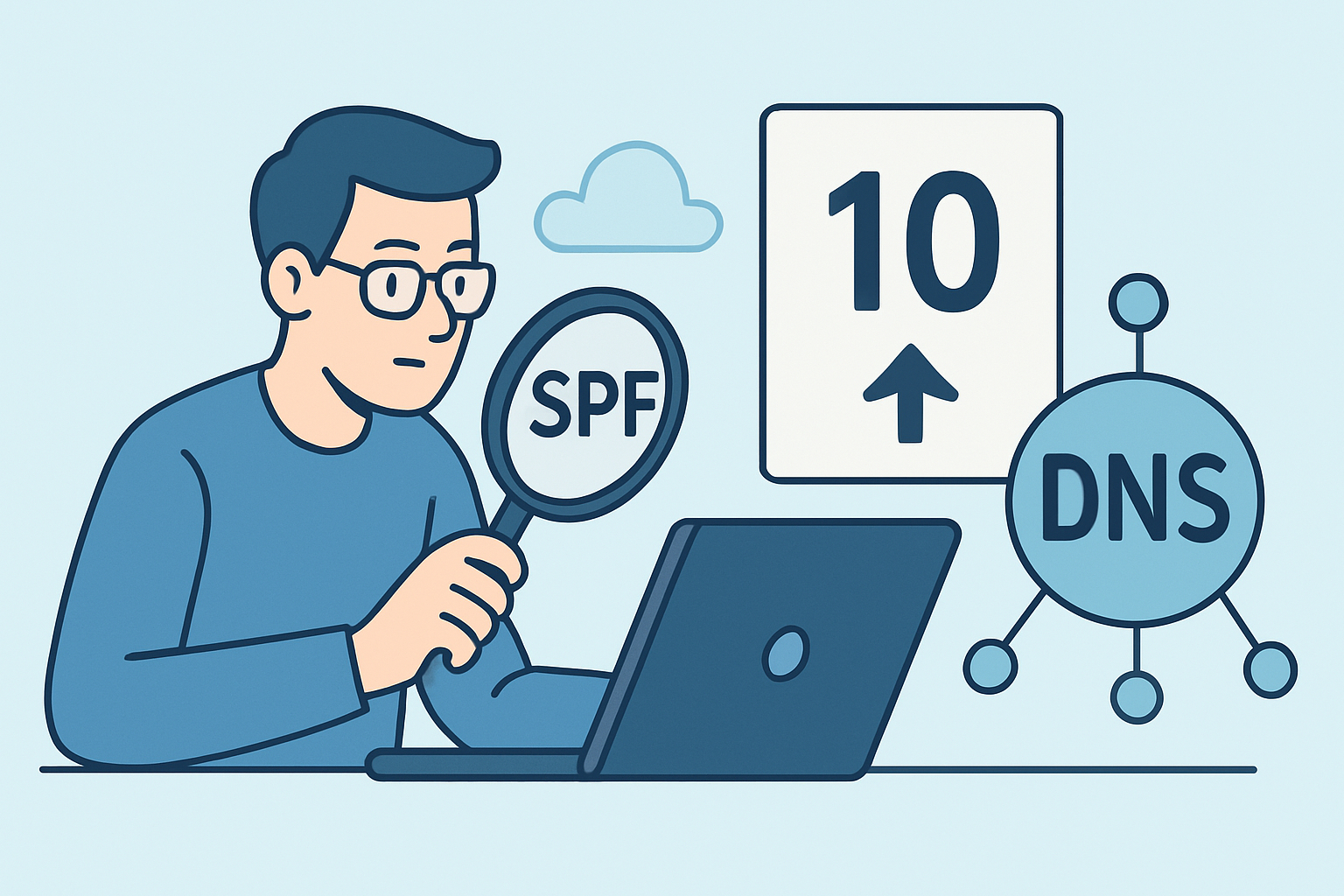
Every SPF record with more than one “include” mechanism is one email migration away from silently breaking, …
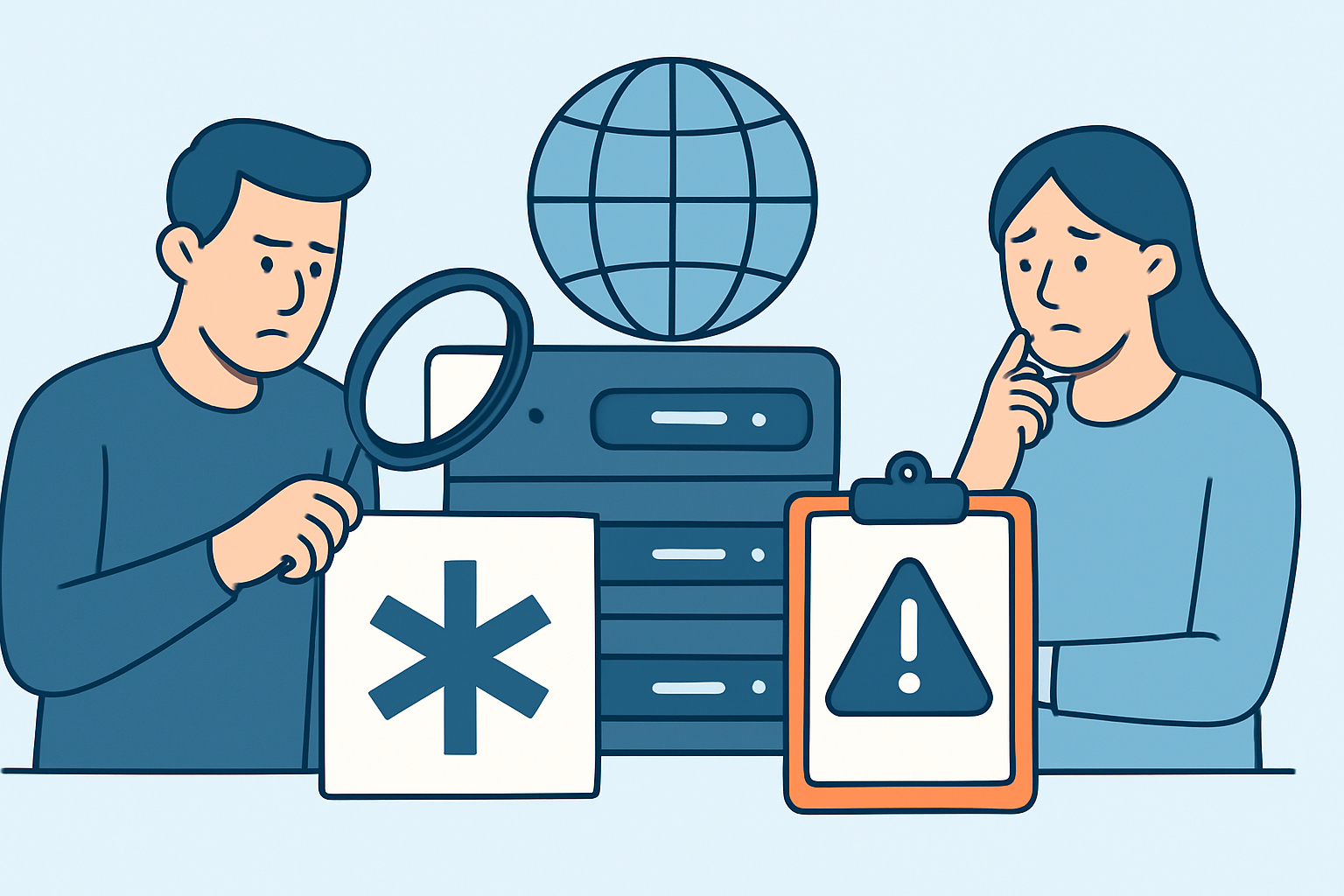
Wildcard DNS records let a single entry answer for every possible subdomain under a zone, which sounds …
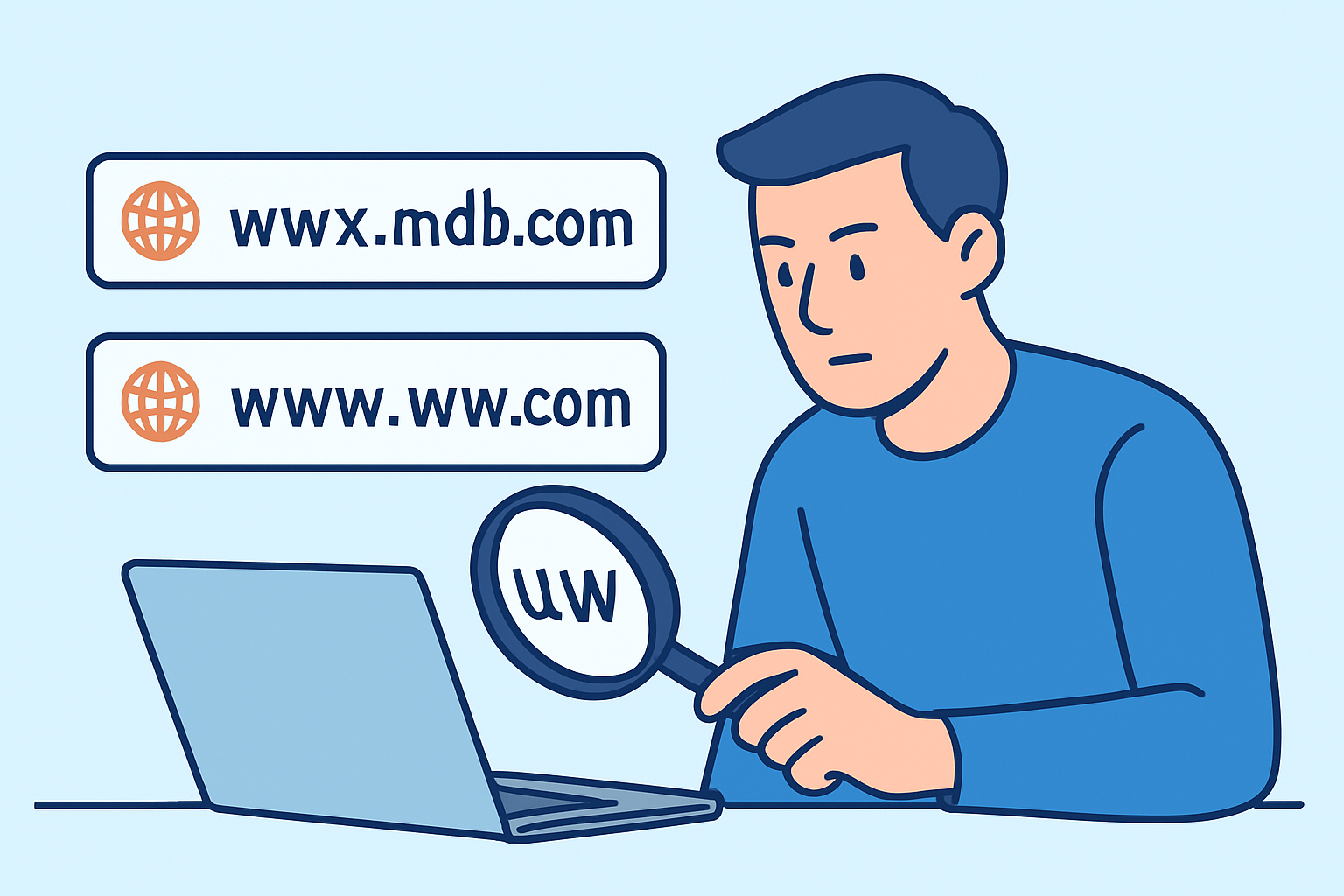
Homograph domains exploit a simple weakness in how humans read: two characters from different alphabets can look …

Brand Indicators for Message Identification, or BIMI, let organizations display their verified logo directly in the inbox …
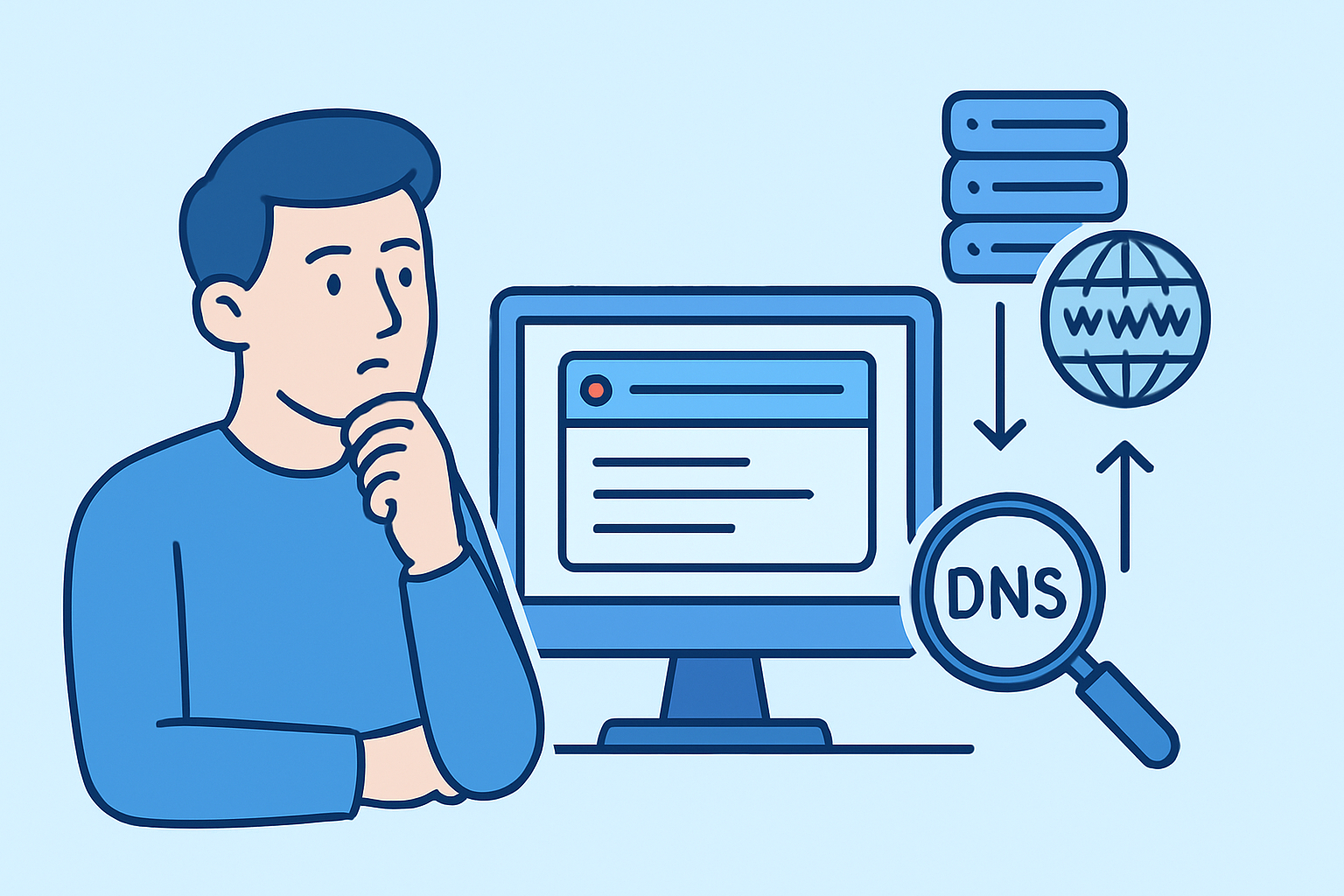
When a user types a URL into a browser and it resolves in under a second, two …

Calculating whether DNS monitoring is worth the line item on next year’s security budget usually comes down …
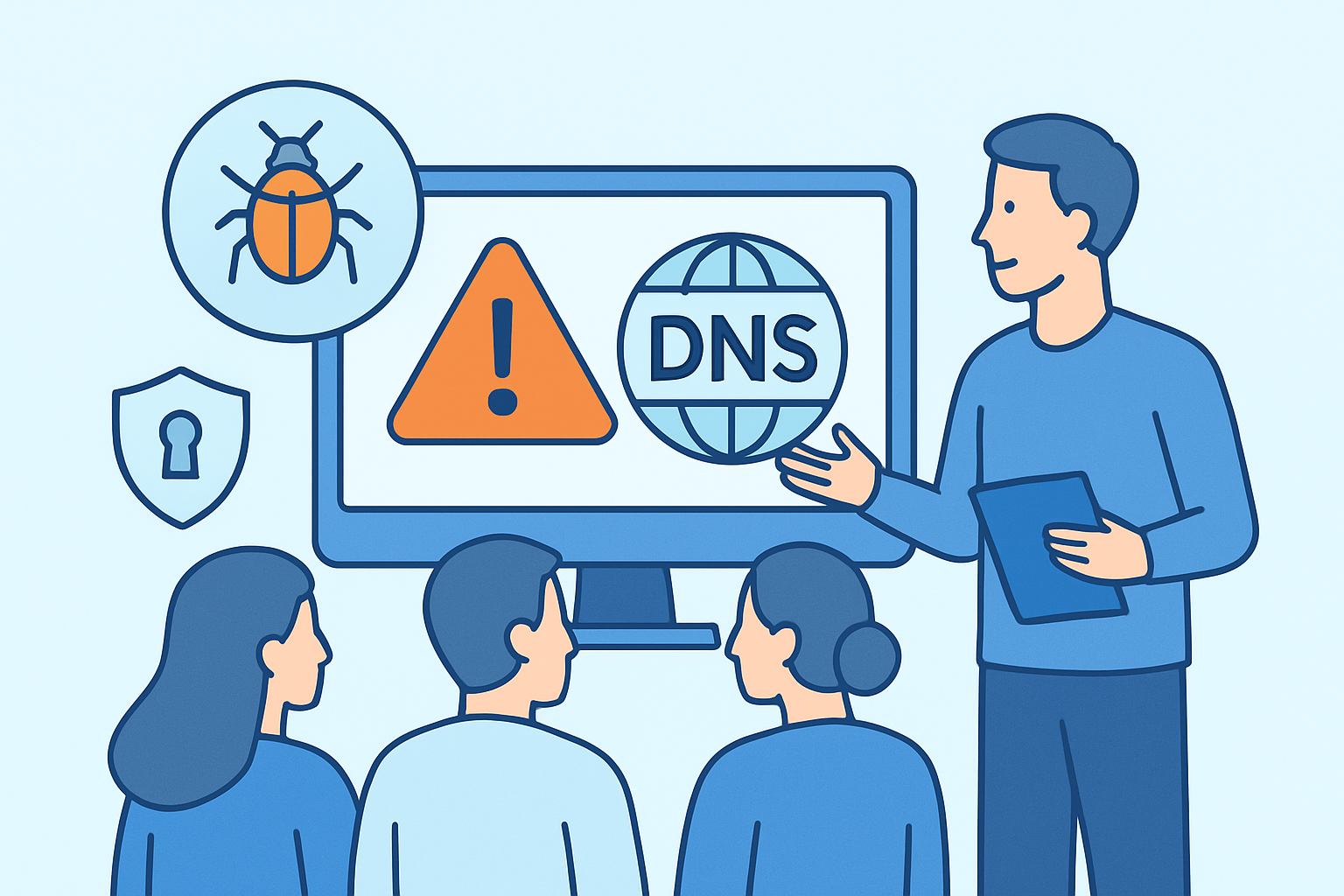
Getting your engineering team to recognize DNS security threats is less about lectures and more about repetition …
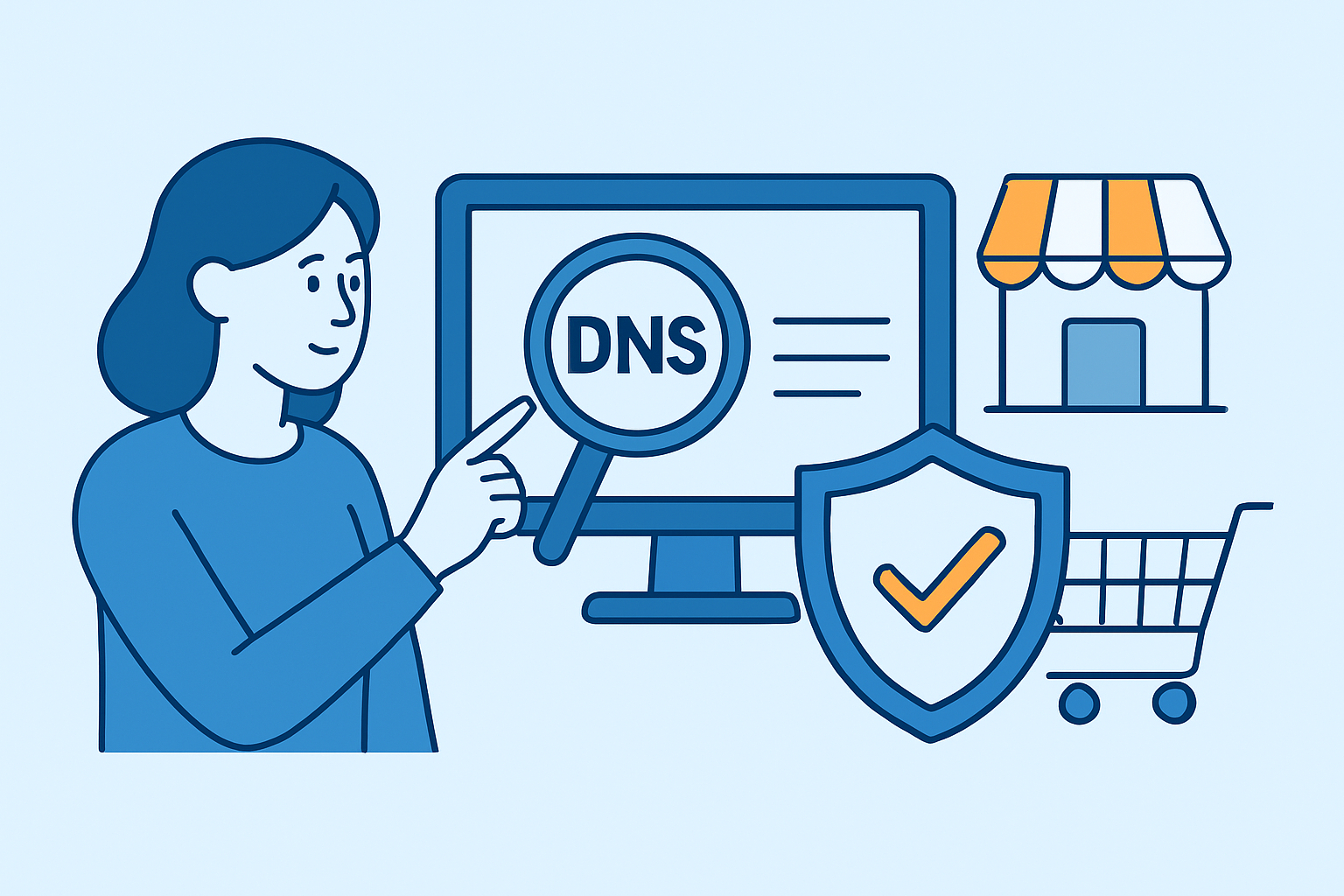
E-commerce checkout flows depend on a chain of subdomains that most store owners never think about until …
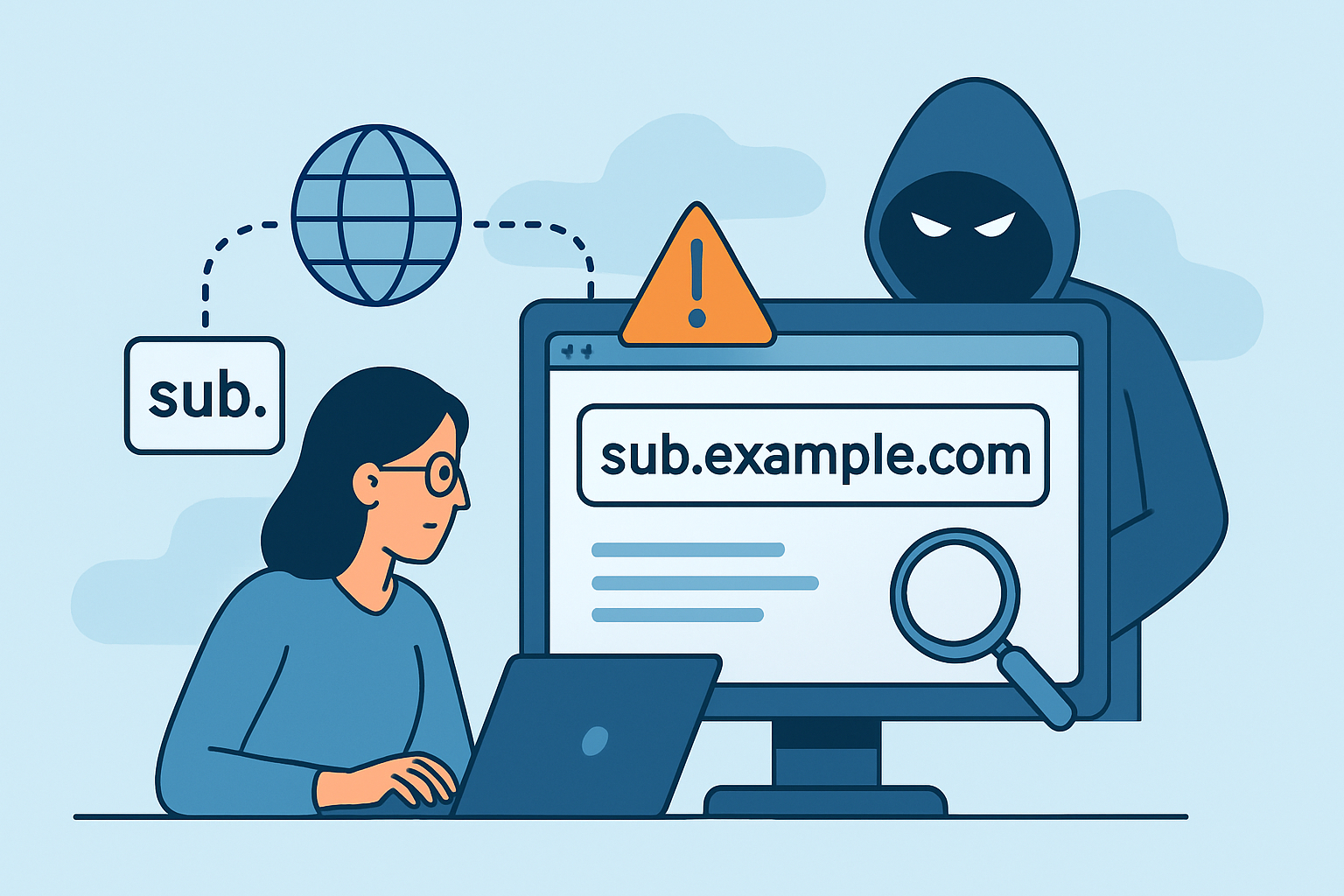
Subdomain takeover has gone from a party trick security researchers demoed at conferences to a routine finding …
A DNS security policy is the document that tells your team exactly who can touch DNS records, …
Search engines don’t just judge a website by its content and backlinks – they also judge it …
SOC analysts spend their shifts staring at alerts from firewalls, EDR platforms, and SIEM dashboards, but the …
Every week, security teams get asked the same handful of DNS questions – often right after an …
A critical DNS alert lands in the inbox at 2am, and the difference between a five-minute fix …
Most organizations don’t run their own authoritative name servers anymore – DNS hosting sits with a registrar, …
Security budgets are finite, and most organizations still spend the bulk of theirs on an annual penetration …
Remote-first companies run their infrastructure differently than offices ever did – engineers spin up staging environments from …
Security reviews and audits have a habit of exposing exactly how little most organizations actually know about …
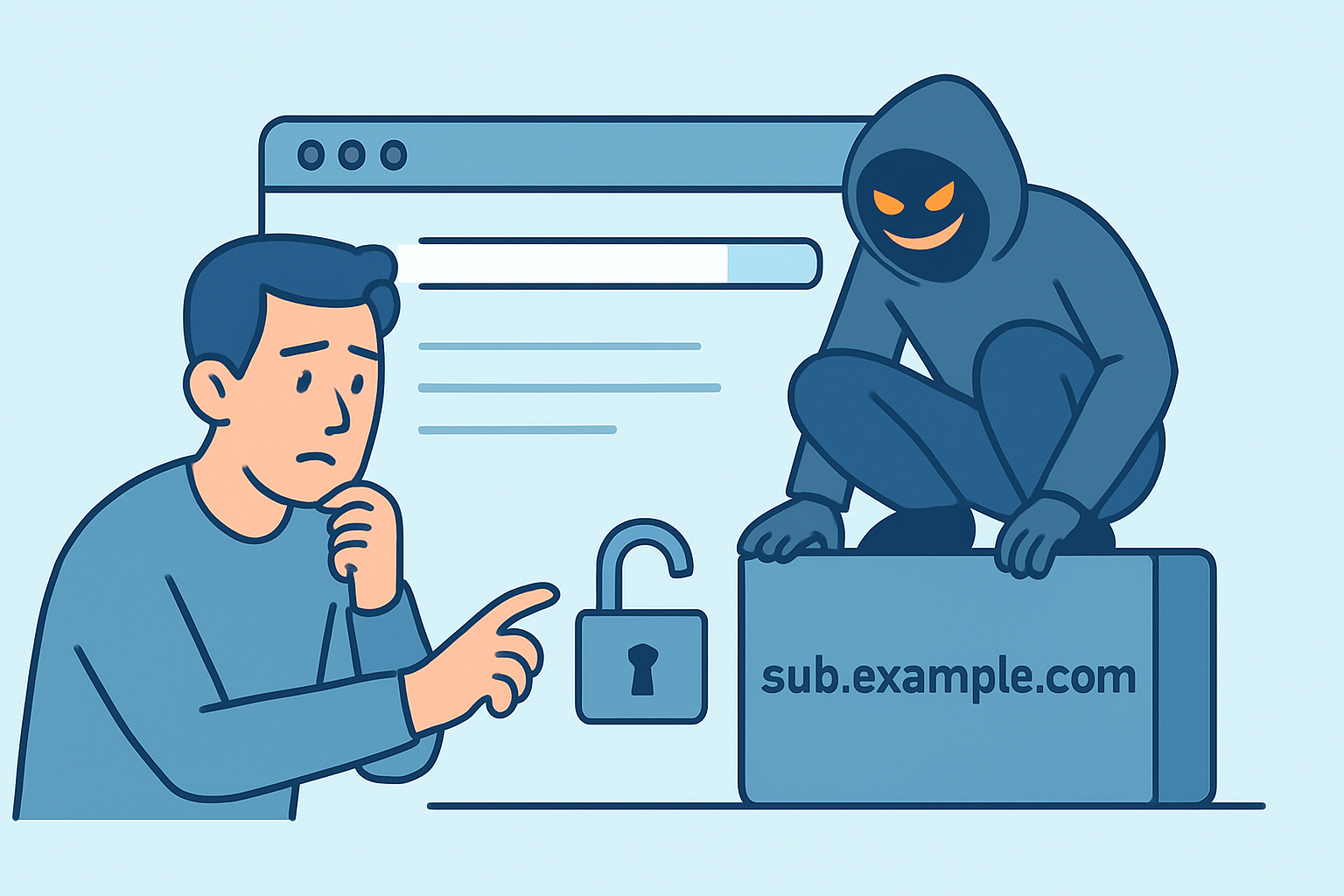
Every domain that has been around for more than a couple of years is carrying dead weight …
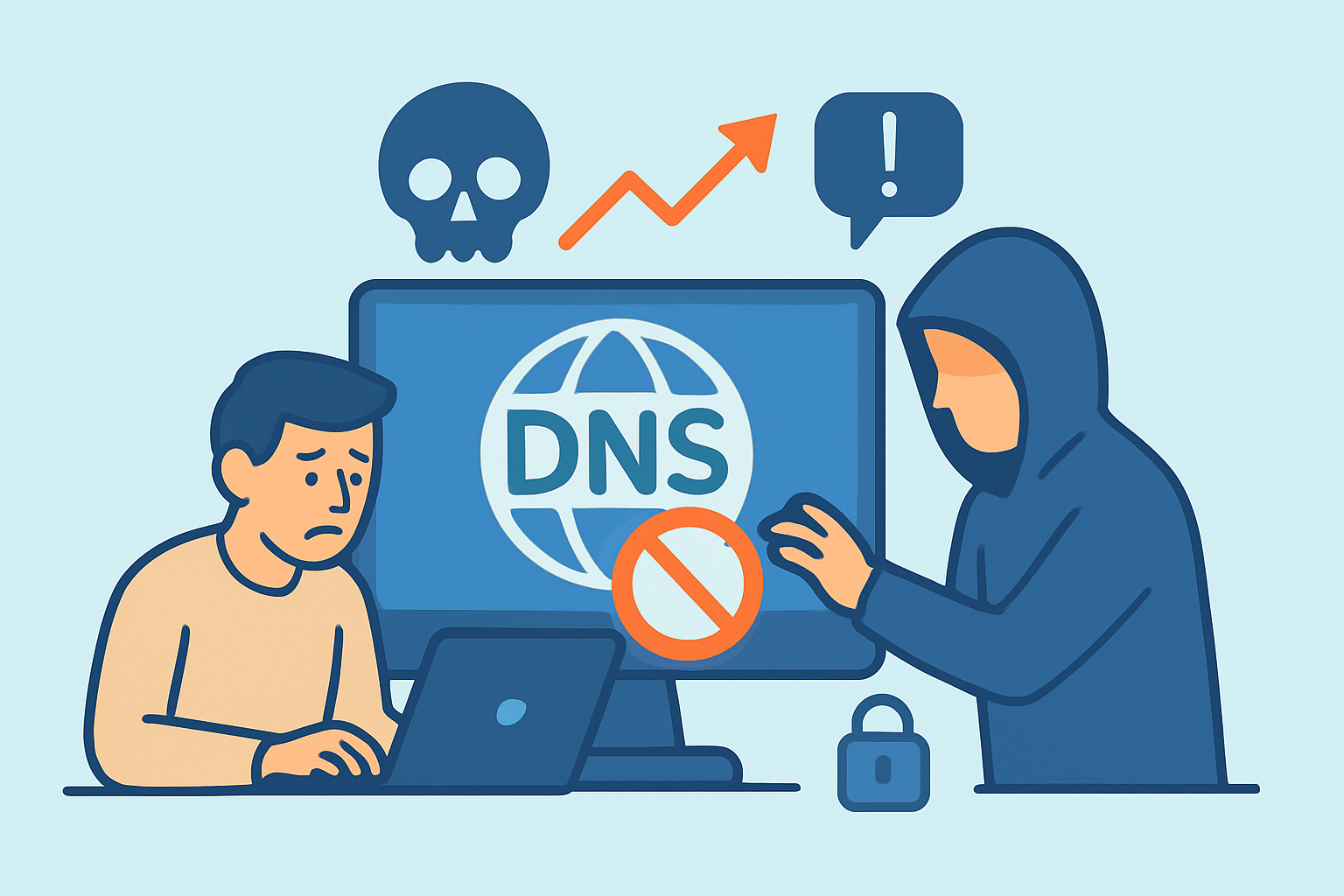
DNS-based attacks have quietly become one of the most reliable ways for attackers to compromise an organization, …
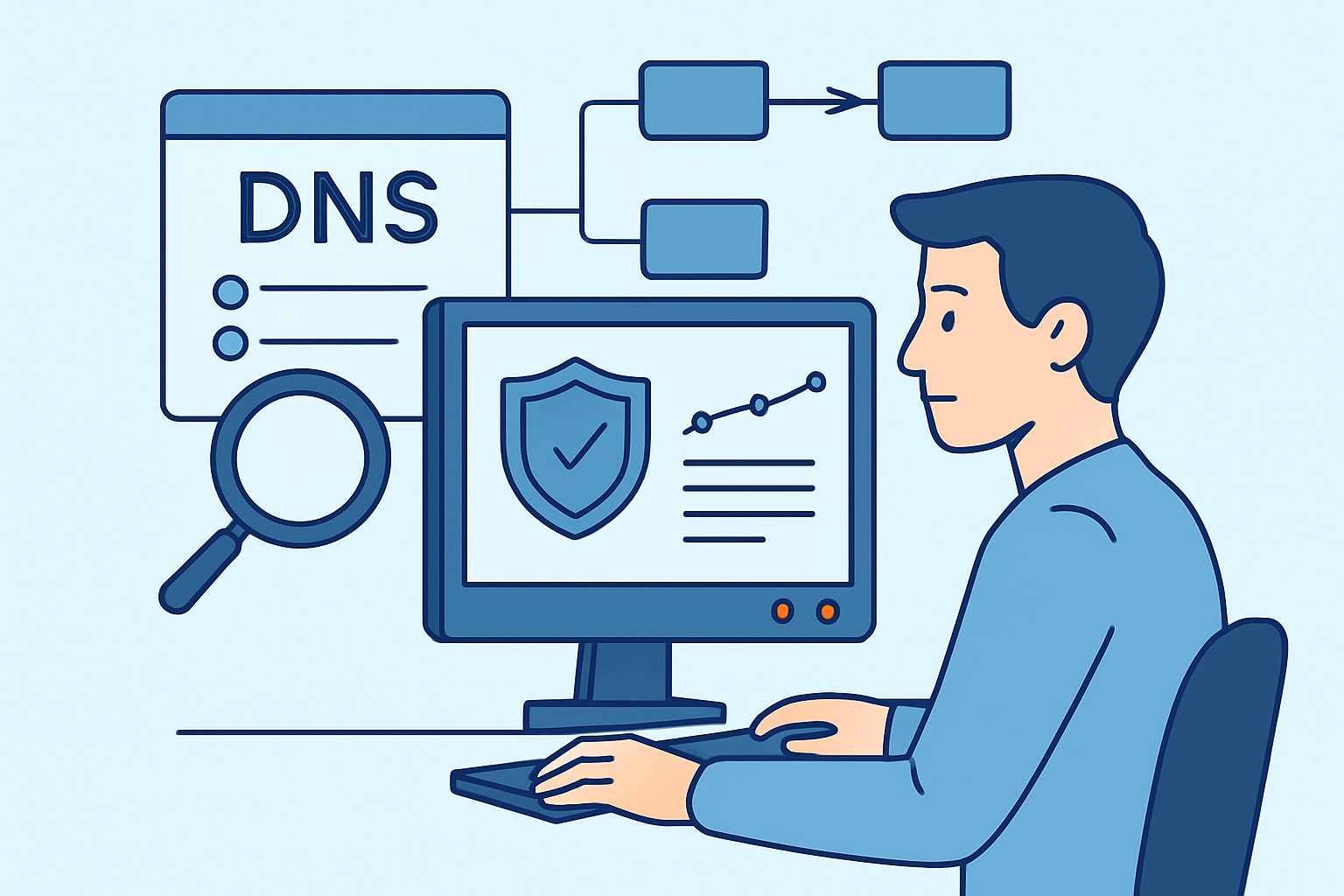
Security teams spend enormous effort tuning their SIEM to catch lateral movement, failed logins, and malware beacons, …
Choosing a DNS monitoring tool is one of those decisions that looks simple on paper but gets …
Phishing emails rarely succeed because attackers are clever with wording alone – they succeed because the receiving …
Security audits of DNS infrastructure turn up the same handful of dangerous misconfigurations again and again, and …
Rapid headcount growth is one of the most common triggers for DNS sprawl, and most security teams …
DNS Tunneling: How Attackers Exfiltrate Data Through DNS Most firewalls treat DNS traffic as harmless background noise, …
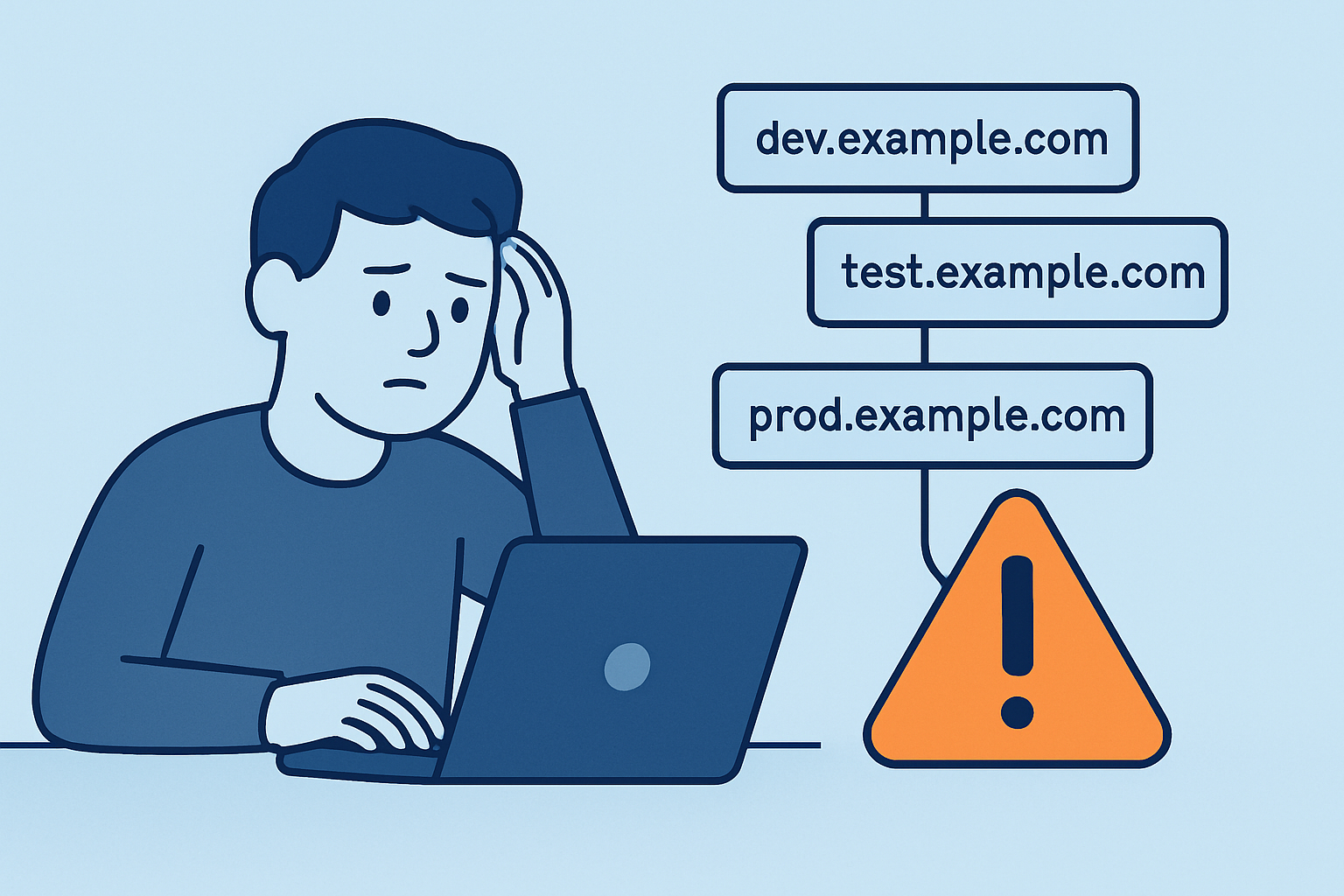
Development subdomains are a natural part of how engineering teams build software – staging environments, QA servers, …
Security teams that want meaningful visibility into their infrastructure need to build dashboards that surface DNS health …
Managing your DNS attack surface becomes significantly harder the moment third-party vendors enter the picture.
DNSSEC (Domain Name System Security Extensions) is a suite of cryptographic protocols that add authentication to DNS …
Reducing your attack surface through DNS cleanup is one of the most high-value, low-cost security improvements an …
The hidden costs of poor DNS hygiene catch mid-market organizations off guard more often than any other …
Managing DNS health across dozens of client domains is one of the more demanding operational challenges agencies …
Pre-selected internal links: 1. /the-complete-dns-security-checklist-for-website-owners/ – relevant to small business DNS security guidance 2. /detecting-stale-dns-entries-before-they-become-problems/ – relevant …
DNS security has traditionally been treated as a networking or security team responsibility – but that assumption …

Forgotten WordPress subdomains are one of the most common entry points for subdomain takeover attacks, yet they …
DNS record types are the building blocks of every domain’s infrastructure, and understanding each type – along …
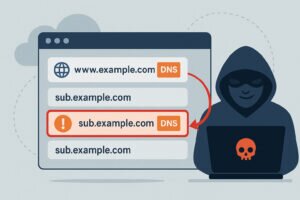
Misconfigured DNS records are one of the most consistently exploited entry points in real-world attacks.
GDPR and DNS security requirements intersect more directly than most compliance teams realize.
When a subdomain takeover strikes, quick and methodical response steps can mean the difference between containing the …

DNS infrastructure monitoring isn’t a set-it-and-forget-it task, and choosing between continuous monitoring vs periodic scanning can make …
CISOs today face mounting pressure to protect expanding digital infrastructures, yet DNS infrastructure risk remains one of …
DNS has become a critical control point in zero trust security architectures, fundamentally changing how organizations verify …

Setting up SPF records correctly is one of the most critical email security measures system administrators can …

Security teams face an overwhelming challenge: they can’t protect what they don’t know exists.
DNS zone transfer attacks represent one of the most overlooked yet dangerous threats to modern domain security.
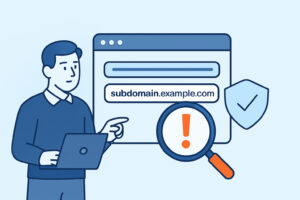
Understanding subdomain takeover attacks requires examining the precise technical mechanics that make these attacks possible.

Cloud services have fundamentally changed how organizations manage their DNS infrastructure, creating new blind spots that even …
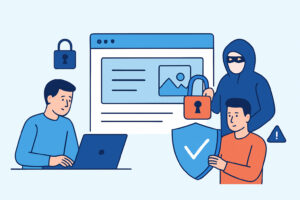
Marketing teams create dozens of landing pages for campaigns, product launches, and seasonal promotions – but protecting …
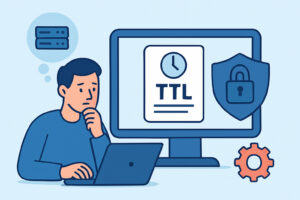
DNS caching serves as a temporary storage mechanism that dramatically improves internet performance by storing DNS query …
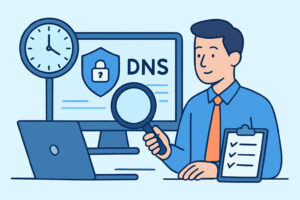
A DNS security audit reveals critical vulnerabilities hiding in your domain infrastructure that could expose your organization …

Dangling CNAME records represent one of the most overlooked yet dangerous vulnerabilities in modern DNS infrastructure.
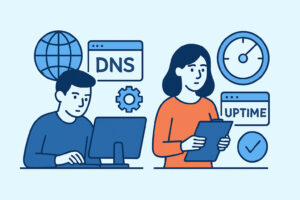
Many IT professionals assume DNS monitoring and uptime monitoring are the same thing, but understanding the difference …
When security teams evaluate an acquisition target, they typically focus on obvious risks like user access controls, …
DMARC implementation provides domain owners with powerful email authentication and helps prevent unauthorized use of their domains …

Building a subdomain inventory sounds straightforward – until you realize that maintaining an accurate, up-to-date list of …
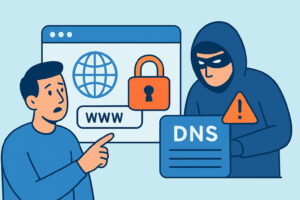
DNS hijacking represents one of the most sophisticated yet overlooked attack vectors targeting organizations today.
Security teams constantly battle evolving threats while managing increasingly complex DNS infrastructure, and implementing proper DNS monitoring …

Most organizations know they need to monitor their main website and critical services, but they’re missing a …

Building a complete inventory of your digital assets starts with understanding exactly what domains and subdomains your …

Marketing teams create dozens of subdomains for campaigns, landing pages, and promotional events – yet these DNS …
The hidden complexity of modern DNS infrastructure extends far beyond what most organizations realize.
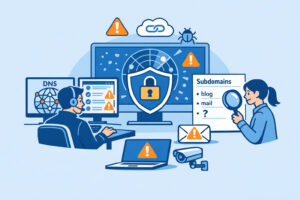
Real-time DNS surveillance is the practice of continuously monitoring your DNS infrastructure for unauthorized changes, misconfigurations, and …

DNS monitoring plays a critical role in meeting compliance and audit requirements that many organizations overlook until …

If you manage any kind of online presence, you have a digital footprint – and it’s probably …
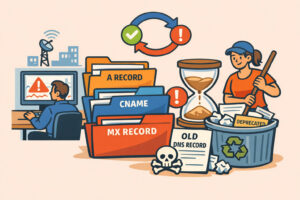
Every DNS record you create has a lifecycle – from the moment it’s added to solve a …
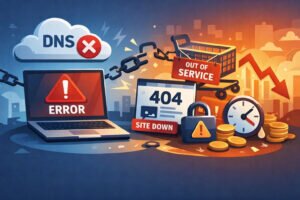
If you run an online business, the true cost of DNS downtime is almost certainly higher than …
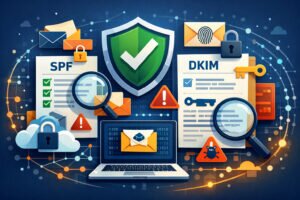
If you manage a domain and send emails – whether transactional, marketing, or internal – understanding SPF …

If you manage DNS for an organization that works with external partners or runs API services, you …
If you manage a website or run a business online, you probably have a solid handle on …

If you’re responsible for keeping infrastructure healthy, you’ve probably got dashboards tracking bandwidth, latency, packet loss, and …
If you’re still relying on quarterly DNS audits to keep your infrastructure secure, you’re working with a …
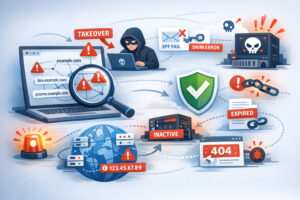
If you manage DNS for any organization — whether it’s five domains or five hundred — dangerous …
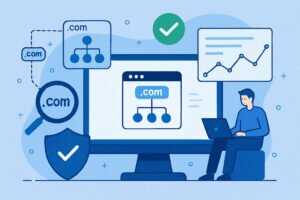
If you’re responsible for keeping websites, email systems, and cloud services running, automated DNS monitoring solutions should …

If your website went down right now, would you check DNS first? Most people wouldn’t — and …
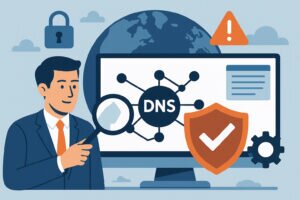
If you’re responsible for DNS security best practices at an enterprise organization, you already know the stakes …

DNS infrastructure security for growing organizations isn’t something most teams think about until something breaks — or …
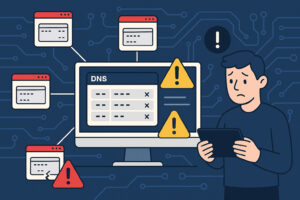
Every modern organization runs on dozens, sometimes hundreds, of subdomains. Some are crucial to daily operations, while …

Subdomain enumeration is the process of discovering every subdomain tied to your primary domain — including the …
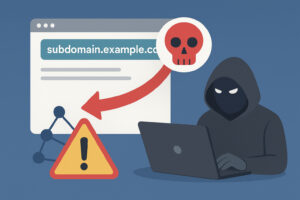
If you manage a website or online service, there’s a security vulnerability lurking in your DNS settings …

DNS monitoring alerts are your first line of defense when something goes wrong in your domain infrastructure …
If you’ve ever experienced your website going down unexpectedly or emails suddenly bouncing back, there’s a good …

Shadow IT is one of the fastest ways your DNS infrastructure quietly falls apart — and if …
If you run a website, you probably spent a good amount of time choosing the right hosting, …
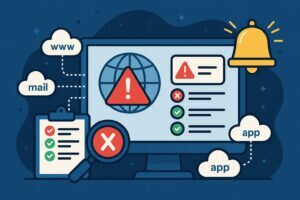
If you manage websites or online services for a living, you already know the sinking feeling.
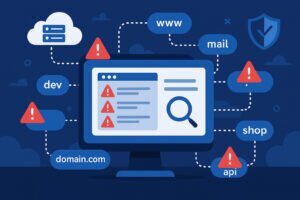
If you manage more than a handful of subdomains, you already know the feeling.
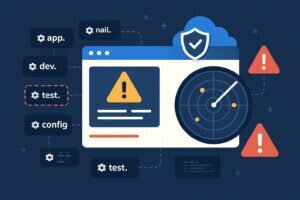
If you manage more than a handful of domains and subdomains, there is a good chance you …
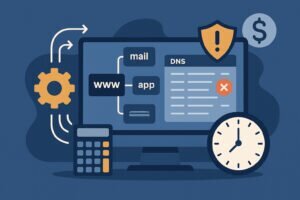
If you manage websites or any kind of online infrastructure, you already know that DNS is one …
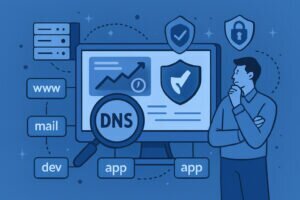
If you manage any kind of web presence, whether it’s a single company website or a sprawling …
If you manage any kind of web infrastructure, there is a ticking time bomb you probably haven’t …
When most business owners think about cybersecurity threats, they picture hackers breaking into databases or ransomware locking …
When you think about cybersecurity, DNS monitoring probably isn’t the first thing that comes to mind.
Every organization starts with good intentions. A developer spins up a staging environment to test new features.

Most organizations have no idea how many subdomains they actually own.
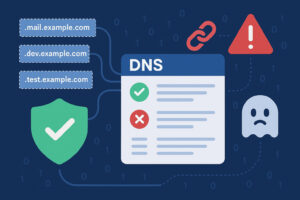
If you manage a domain, you’re probably familiar with DNS records – those A records, MX records, …
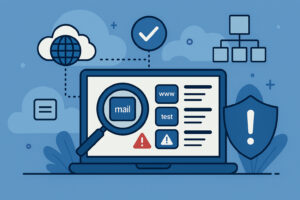
If you’re running any kind of online business or managing multiple websites, your DNS infrastructure is probably …
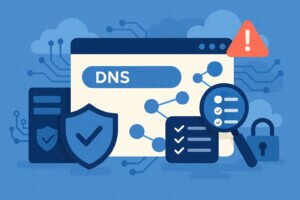
When most people think about web security, they picture firewalls, SSL certificates, and antivirus software.
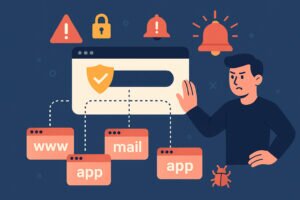
If you manage a website or digital infrastructure, you probably have more subdomains than you realize.
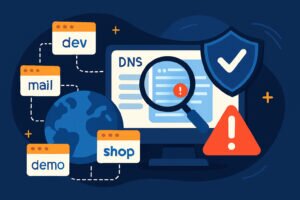
Most companies don’t realize they have a security problem until it’s too late.
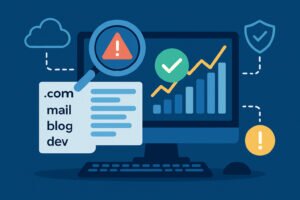
If your website suddenly becomes unreachable or your emails start bouncing back, there’s a good chance the …
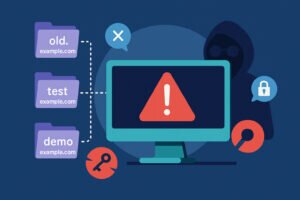
Every organization has them. Those forgotten subdomains from three years ago when the marketing team launched a …
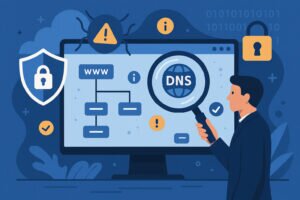
Your domain name is more than just your web address—it’s your brand’s digital identity, your customers’ trust …
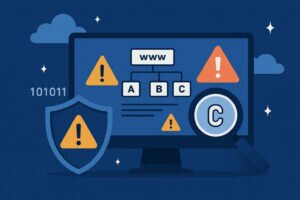
If you manage websites or digital infrastructure, you’ve probably experienced that sinking feeling when something breaks unexpectedly.
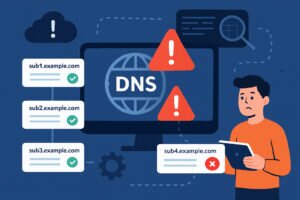
If you manage any kind of web infrastructure, you’re sitting on a potential security nightmare that most …
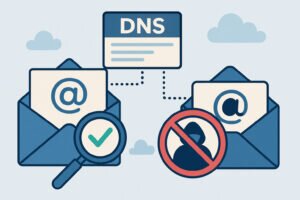
Email spoofing is one of those security threats that sounds technical but hits you hard when it …
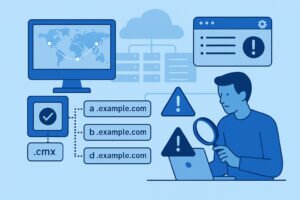
If you manage a website, you probably know about your main domain and maybe a handful of …