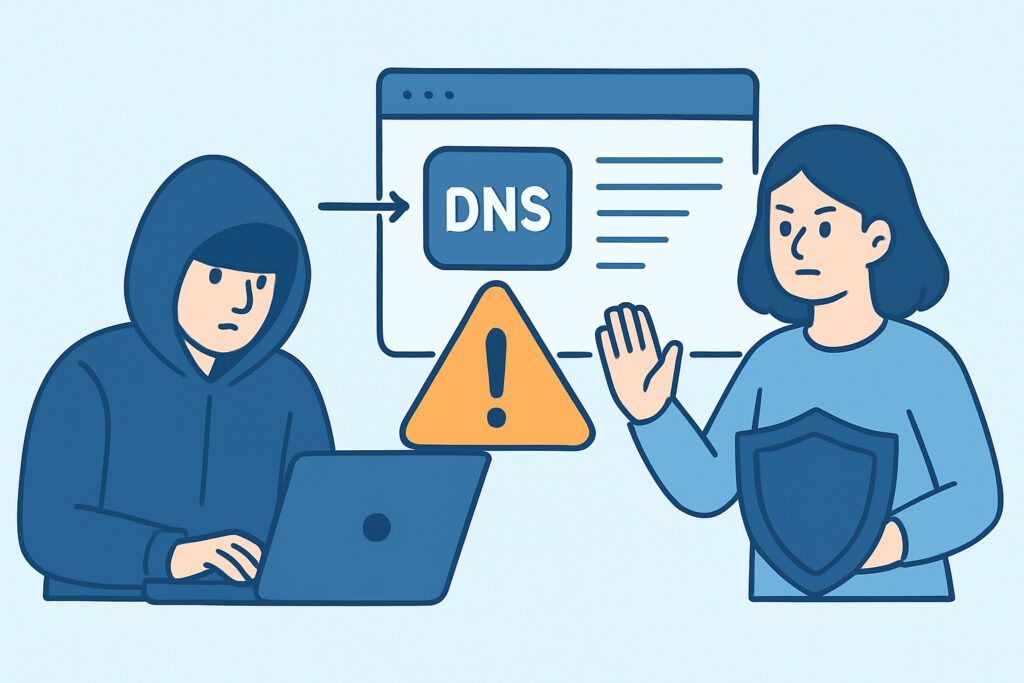
DNS zone transfer attacks represent one of the most overlooked yet dangerous threats to modern domain security. These attacks allow malicious actors to download complete copies of your DNS zone files, exposing your entire network topology and creating opportunities for targeted attacks against your infrastructure.
Understanding how DNS zone transfers work and implementing proper security measures can mean the difference between maintaining a secure digital presence and suffering a devastating security breach. Many organizations unknowingly leave their DNS infrastructure vulnerable to these attacks through misconfigured zone transfer settings or inadequate DNS monitoring practices.
What Are DNS Zone Transfer Attacks
A DNS zone transfer is a legitimate DNS operation that allows secondary DNS servers to synchronize with primary servers by copying entire zone files. The process, called AXFR (full zone transfer) or IXFR (incremental zone transfer), ensures consistency across multiple DNS servers.
Attackers exploit this mechanism when DNS servers are misconfigured to allow unauthorized zone transfers. Once successful, they obtain a complete map of your DNS infrastructure, including all hostnames, IP addresses, mail servers, and service records.
Consider a scenario where an attacker queries your DNS server for a zone transfer of example.com. If the server permits the request, it responds with every DNS record in that zone – revealing internal server names like backup.internal.example.com, staging-api.example.com, or admin-panel.example.com. This intelligence becomes the foundation for reconnaissance and targeted attacks.
The misconception that modern DNS servers are secure by default often leads to complacency. Many administrators assume their DNS configuration is safe without explicitly verifying zone transfer restrictions.
How Zone Transfer Attacks Work
The attack process follows a straightforward pattern. First, attackers identify your authoritative DNS servers through standard DNS queries or tools like dig or nslookup. They then attempt zone transfer requests against each identified server.
The attacker uses commands like dig @nameserver.example.com example.com AXFR to request a full zone transfer. If successful, they receive a complete dump of all DNS records, subdomains, and associated IP addresses.
Modern attackers often automate this process, scanning thousands of domains daily for misconfigured DNS servers. They target both primary and secondary DNS servers, as misconfigurations can occur on either side.
The intelligence gathered through successful zone transfers feeds into larger attack campaigns. Attackers use the subdomain information to identify vulnerable services, forgotten test environments, or potential subdomain takeover targets.
Preventing DNS Zone Transfer Attacks
The primary defense against zone transfer attacks involves restricting zone transfers to authorized servers only. Configure your DNS server to explicitly define which IP addresses can request zone transfers.
For BIND servers, add an allow-transfer directive to your zone configuration:
“`
zone “example.com” {
type master;
file “/etc/bind/zones/example.com”;
allow-transfer { 192.168.1.10; 192.168.1.11; };
};
“`
For Microsoft DNS servers, access the zone properties and configure the “Zone Transfers” tab to allow transfers only to specific name servers.
Implement these additional security measures across your DNS infrastructure:
Regularly audit your DNS configuration to ensure transfer restrictions remain in place. Configuration drift during server updates or migrations can inadvertently remove these protections.
Monitor your DNS servers for unauthorized transfer attempts. Log analysis should flag repeated AXFR requests from unknown sources, as these often indicate scanning attempts.
Consider implementing DNS monitoring solutions that can detect configuration changes and alert you to potential security gaps. Continuous monitoring helps identify issues before they become security incidents.
Use network-level controls like firewalls to restrict DNS traffic. Zone transfers typically occur on TCP port 53, so you can implement specific rules governing which systems can establish these connections.
Advanced DNS Security Considerations
Beyond basic zone transfer restrictions, implement comprehensive DNS security practices. Regular DNS audits should examine not just zone transfer settings but also record configurations, delegation settings, and overall DNS infrastructure health.
Deploy DNS monitoring solutions that provide real-time visibility into your DNS infrastructure. These tools can detect unauthorized changes, identify stale records, and alert you to potential security issues before they escalate.
Consider the security implications of your DNS hosting strategy. Some organizations split DNS responsibilities between internal and external providers, requiring careful coordination of security policies across multiple platforms.
Implement proper change management procedures for DNS modifications. Many security incidents stem from rushed changes or inadequate testing of DNS configurations in staging environments.
The concept of DNS security in depth extends beyond preventing zone transfers. Your strategy should address subdomain discovery, DNS hijacking prevention, and protection against cache poisoning attacks.
Testing Your DNS Zone Transfer Security
Regular testing ensures your DNS security measures remain effective. Perform authorized zone transfer tests from external networks to verify your restrictions work correctly.
Use tools like dig, nslookup, or nmap to test your DNS servers:
Start with basic queries to identify your authoritative DNS servers. Then attempt zone transfers from unauthorized IP addresses to confirm they’re properly blocked.
External security scanning should be part of your regular assessment routine. Third-party security services can identify DNS misconfigurations that internal teams might overlook.
Document your testing procedures and maintain records of DNS security assessments. This documentation proves valuable during security audits and helps track improvements over time.
Consider automated testing solutions that continuously verify your DNS security posture. These tools can alert you immediately if zone transfer restrictions fail or if new vulnerabilities emerge.
Common Mistakes and Misconceptions
The biggest mistake organizations make is assuming their managed DNS provider handles all security automatically. While reputable DNS providers implement strong default security, custom configurations or secondary servers might introduce vulnerabilities.
Another common error involves incomplete zone transfer restrictions. Some administrators secure their primary DNS server but forget about secondary servers or backup DNS infrastructure. Attackers often target these overlooked systems.
Cloud services create additional complexity in DNS security management. Organizations using multiple cloud providers or hybrid architectures must coordinate DNS security policies across different platforms and providers.
The misconception that internal DNS servers don’t need zone transfer restrictions is particularly dangerous. Internal servers often contain more sensitive information about network topology and can provide attackers with detailed intelligence for lateral movement.
Frequently Asked Questions
How can I tell if my DNS server allows unauthorized zone transfers?
Test your DNS servers using the dig command: dig @your-dns-server.com yourdomain.com AXFR. If the command returns your complete zone file, your server is misconfigured. The response should be “Transfer failed” or “Query refused” for unauthorized requests.
Do I need to worry about zone transfer attacks if I use a managed DNS service?
Most reputable managed DNS providers secure zone transfers by default, but you should verify their security policies and your account configuration. If you operate secondary DNS servers or use multiple providers, ensure proper security coordination between all systems.
What information can attackers gather from successful zone transfers?
Successful zone transfers reveal all DNS records in your domain, including subdomains, mail servers, IP addresses, and service configurations. This information provides attackers with a complete map of your external infrastructure and potential targets for further attacks.
Building Long-term DNS Security
DNS zone transfer security represents just one component of comprehensive DNS protection. Organizations must adopt a holistic approach that includes continuous monitoring, regular audits, and proactive threat detection.
The key to sustainable DNS security lies in treating it as an ongoing process rather than a one-time configuration task. DNS infrastructures evolve constantly, and security measures must adapt accordingly.
Invest in DNS security tools and training that enable your team to maintain strong security postures over time. The cost of prevention remains far lower than the expense of recovering from DNS-related security incidents.