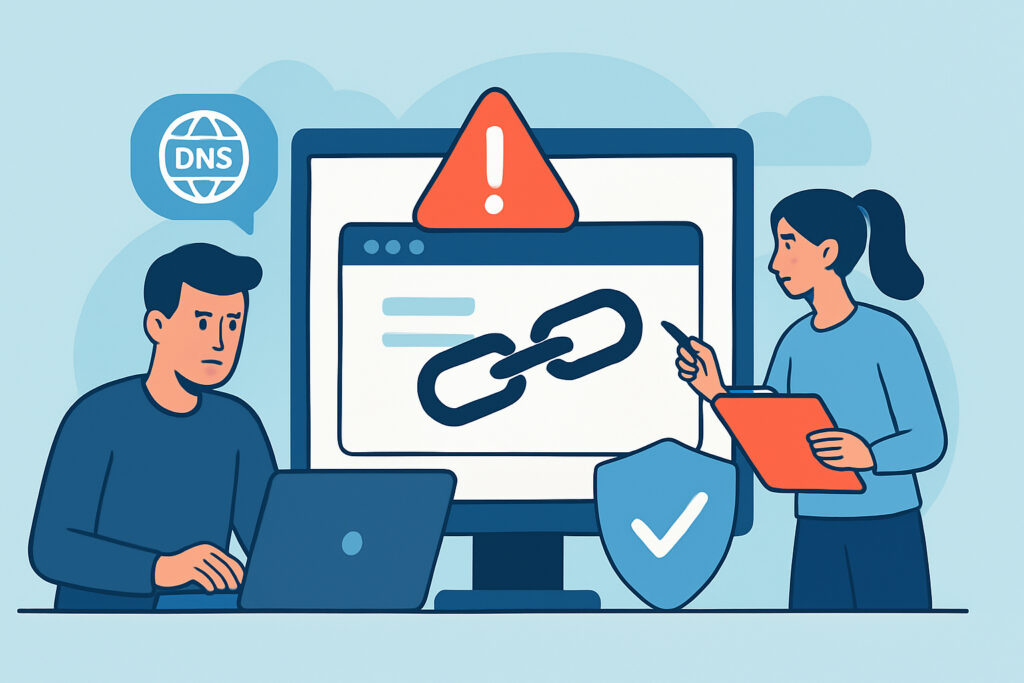
When a subdomain takeover strikes, quick and methodical response steps can mean the difference between containing the incident and watching it escalate into a full security breach. This guide covers the essential incident response steps for recovering from a subdomain takeover, helping security teams minimize damage and prevent future attacks.
Subdomain takeovers happen when an attacker gains control of a subdomain by claiming abandoned cloud services or resources that your DNS records still point to. The attack exploits dangling CNAME records and stale DNS entries, turning legitimate subdomains into attack vectors.
Immediate Containment Actions
Time is critical when responding to a subdomain takeover. The first 30 minutes determine whether you’re dealing with a contained incident or widespread compromise.
Start by identifying the compromised subdomain and documenting the current DNS configuration. Run `nslookup` or `dig` commands to see exactly where the subdomain points and what content is currently being served. Take screenshots of any malicious content for evidence and incident documentation.
Next, immediately remove or modify the DNS record causing the takeover. If the subdomain points to an abandoned AWS S3 bucket, delete the CNAME record pointing to the bucket. For Azure or Google Cloud services, remove the DNS entry entirely rather than trying to reclaim the service first.
Change the DNS TTL to the lowest possible value (300 seconds or less) for any records you modify. This accelerates the propagation of your fixes across DNS servers worldwide. Many incident responders make the mistake of leaving high TTL values in place, which can keep malicious content accessible for hours.
Assessment and Damage Evaluation
Once containment is underway, assess the full scope of the compromise. Check web archives and cached versions of the subdomain to understand how long the takeover was active and what content attackers served.
Review access logs for your main domain and other subdomains to identify potential lateral movement or credential harvesting attempts. Attackers often use taken-over subdomains to serve convincing phishing pages that target your users or employees.
Examine email security configurations, particularly SPF and DKIM records. If the compromised subdomain was included in SPF records, attackers could have sent emails appearing to come from your domain. Review email logs for the period when the subdomain was compromised.
Check for any SSL certificates issued for the compromised subdomain during the attack period. Certificate Transparency logs will show if attackers obtained valid certificates, which would make their malicious content appear more legitimate to victims.
Communication and Stakeholder Management
Inform key stakeholders about the incident while containment efforts are ongoing. Security teams often delay communication too long, missing opportunities for additional protection measures.
Notify your legal and compliance teams immediately if the compromised subdomain could have exposed customer data or violated regulatory requirements. Some jurisdictions require breach notifications within specific timeframes, even for subdomain takeovers.
Contact your domain registrar and DNS provider to report the incident. They may have additional monitoring or protection services that can help prevent similar attacks. Some providers can also assist with accelerated DNS propagation for your remediation efforts.
If the subdomain was used for customer-facing services, prepare external communications explaining any service disruptions. Transparency about security incidents, when handled properly, often strengthens rather than weakens customer trust.
Evidence Collection and Forensics
Document everything about the incident for later analysis and potential legal action. Many organizations skip proper evidence collection during the crisis response, limiting their ability to understand and prevent future attacks.
Preserve DNS query logs showing when the subdomain started resolving to attacker-controlled resources. These logs help establish the timeline and may reveal how the attacker discovered the vulnerable subdomain.
Collect samples of malicious content served from the compromised subdomain. Use tools like `curl` or `wget` to save complete copies of attacker-hosted pages, including their HTML source and any embedded resources.
Review your digital asset inventory to identify other potentially vulnerable subdomains. Subdomain takeovers often indicate broader DNS hygiene problems that affect multiple subdomains.
System Remediation and Hardening
After containing the immediate threat, implement systematic changes to prevent recurrence. The most common mistake is treating subdomain takeovers as isolated incidents rather than symptoms of broader DNS management problems.
Audit all DNS records for dangling pointers and stale entries. Focus particularly on CNAME records pointing to cloud services, as these create the highest takeover risk. Remove any records pointing to decommissioned services or resources.
Implement automated DNS monitoring to detect future takeover attempts in real-time. Continuous monitoring catches attacks much faster than periodic manual audits, often within minutes instead of weeks or months.
Establish DNS record lifecycle management procedures that require cleanup verification before decommissioning any cloud services. Create a checklist that teams must complete before shutting down services that have associated DNS records.
Long-term Prevention Strategies
Build organizational processes that prevent future subdomain takeovers rather than just responding to them after they occur. Prevention is significantly more cost-effective than incident response.
Create a centralized inventory of all subdomains and their associated services. Many takeovers happen because different teams manage subdomains without coordination, leading to forgotten DNS records when projects end.
Implement regular DNS audits that specifically look for takeover risks. Schedule monthly reviews of all CNAME records and quarterly assessments of your complete DNS infrastructure. Automated tools can identify most risks, but human review catches edge cases and policy violations.
Train development and marketing teams about DNS security risks associated with temporary subdomains and cloud services. Most vulnerable DNS records originate from well-intentioned teams who don’t understand the security implications of their configurations.
Common Recovery Mistakes to Avoid
One widespread misconception is that subdomain takeovers are always obvious and immediately detectable. In reality, sophisticated attackers often maintain compromised subdomains for weeks or months while serving legitimate-looking content, only switching to malicious content when launching specific campaigns.
Don’t assume that removing the DNS record completely resolves the issue. Check whether the subdomain appears in other DNS records like SPF or DMARC policies. Attackers can sometimes maintain email-based attacks even after web-based takeovers are resolved.
Avoid rushing to reclaim compromised cloud services without understanding the full attack scope. If attackers gained access to a cloud service, they might have modified configurations beyond just hosting content. It’s often safer to abandon the compromised service entirely and create new resources with fresh DNS records.
Never treat subdomain takeovers as purely technical incidents. They often have business and legal implications that require cross-functional response efforts including legal, compliance, and communications teams.
Frequently Asked Questions
How long does it typically take to fully recover from a subdomain takeover?
Complete recovery usually takes 24-72 hours, depending on DNS TTL values and the scope of the compromise. Immediate containment can happen within minutes, but full DNS propagation and comprehensive security review take longer.
Can subdomain takeovers affect our main domain’s search engine rankings?
Yes, if attackers serve malicious content from compromised subdomains, search engines may penalize your entire domain. Monitor search console warnings and consider submitting reconsideration requests if rankings are affected.
Should we notify law enforcement about subdomain takeover incidents?
Notification requirements vary by jurisdiction and incident severity. Consult with legal counsel, especially if the takeover involved customer data exposure or was used for financial fraud. Document everything to support potential investigations.
Building Resilient DNS Infrastructure
Recovering from subdomain takeovers teaches valuable lessons about DNS infrastructure resilience. Organizations that experience these incidents often emerge with stronger security postures by implementing comprehensive DNS monitoring and asset management practices.
The key to long-term success lies in treating DNS security as an ongoing operational concern rather than a one-time configuration task. Regular monitoring, systematic audits, and cross-team coordination prevent most takeover scenarios while enabling rapid response when incidents do occur.